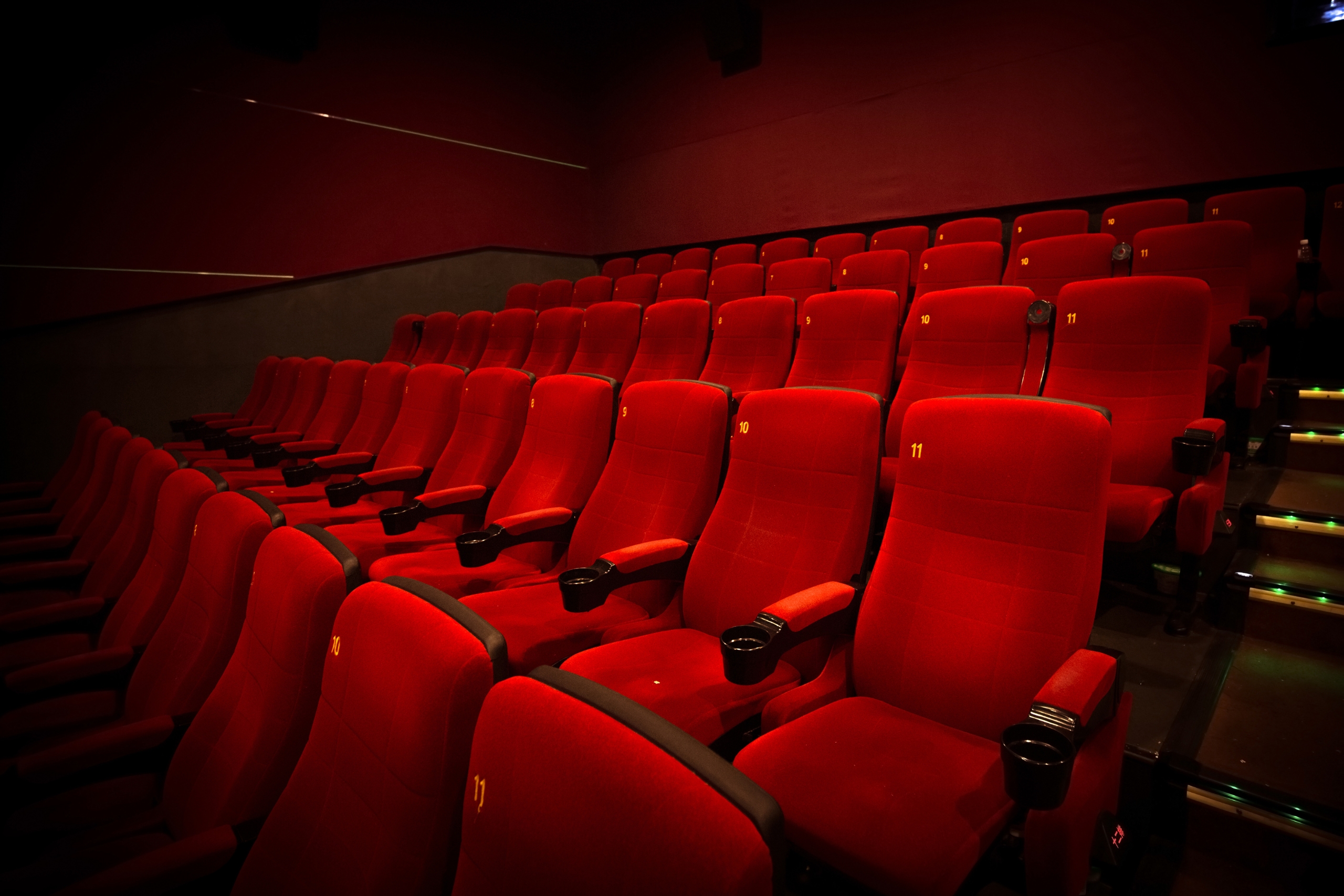
Why People Are Going to Movie Theaters Less: What’s Changing and How Cinemas Can Win Audiences Back

Read Time:6 Minute, 36 Second
Movie theaters were once the default place to experience new releases, but in recent years, many people have started going less often. This shift does not mean audiences no longer love movies. Instead, it reflects how entertainment habits have changed due to technology, lifestyle, and rising costs. Streaming services, home theater setups, and shorter attention spans have made it easier for people to watch films without leaving home. At the same time, many viewers still value theaters for their atmosphere, big screens, and shared experience—especially for major blockbusters. The industry challenge is not that cinemas are “dying,” but that they are competing in a different environment than they did a decade ago. Understanding why some people are losing interest in movie theaters helps explain what needs to evolve. This article explores the main reasons audiences are going less, and it discusses realistic, consumer-friendly ways theaters and the film industry can respond without blaming viewers or oversimplifying the issue.
Streaming Convenience Changed Expectations Permanently
One of the biggest reasons people go to theaters less is convenience. Streaming platforms allow viewers to watch new content instantly, pause whenever they want, and enjoy entertainment without travel time. For many households, this has become the new normal.
Streaming also offers variety. Instead of spending money on one movie, people can access thousands of titles for the cost of a monthly subscription. That price difference matters, especially for families or groups who would need multiple tickets.
Another major factor is control. At home, viewers can choose volume, snacks, seating, and even subtitles. For people with anxiety, mobility limitations, or busy schedules, streaming is not just convenient—it’s more accessible.
In many movies and entertainment industry trends, this shift is described as a change in baseline behavior. Once audiences experience the ease of home viewing, theaters must offer something clearly different, not simply the same movie in a different location.
Rising Costs Make Theater Trips Feel Like a Luxury
For many people, going to the movies has become expensive. Ticket prices have risen in many regions, and concessions are often priced high enough to make the overall trip feel like a major purchase.
This affects casual moviegoers the most. People who might have gone to the cinema monthly now choose to go only for big events. Families are especially impacted because a simple outing can become a large expense when tickets, snacks, and transportation are included.
Another cost-related issue is value perception. Some viewers feel hesitant to spend premium prices on films that will be available on streaming soon. If the movie experience does not feel “special,” the cost becomes harder to justify.
In many fresh pop culture insights, theaters are increasingly described as an event space rather than a routine habit. That can be good for blockbuster nights, but it also reduces the frequency of visits for everyday movie lovers.
The Home Entertainment Experience Got Surprisingly Good
A major reason theaters are losing some audiences is that home viewing quality has improved dramatically. Many people now own large-screen TVs, soundbars, and even affordable projectors. With a comfortable couch and good lighting, home can feel like a mini cinema.
This is especially true for viewers who prefer quiet environments. At home, there are no distractions from other people, no crowded seats, and no concerns about phone screens or loud conversations. For some, that comfort outweighs the benefits of the big screen.
The pandemic also influenced this change. Many people invested in home entertainment during lockdown periods, and those upgrades remained. Once a household creates a “movie night” environment at home, theaters become less necessary for standard releases.
In many movies and entertainment industry trends, this is considered one of the hardest challenges for theaters. The industry is no longer competing against “watching movies at home” as a low-quality alternative. It’s competing against a home experience that can be genuinely enjoyable.
Audience Behavior and Comfort Concerns Matter More Than Ever
It’s important to talk about the theater experience itself. Some people avoid cinemas not because they dislike movies, but because the environment feels less comfortable than it used to.
Common concerns include noisy audiences, frequent phone use, crowded seating, and a lack of etiquette during screenings. While many theaters work hard to maintain a respectful atmosphere, even a few bad experiences can make people reluctant to return.
Comfort also includes physical factors. Some seats are cramped, temperature can be unpredictable, and loud sound levels can be unpleasant for sensitive viewers. Accessibility for disabled or neurodivergent audiences also varies widely.
These issues are sensitive because they involve human behavior and public spaces. The goal is not to blame audiences, but to recognize that modern consumers have more choices. If a theater experience feels stressful, people will choose home instead.
In many fresh pop culture insights, comfort is now considered part of the product. Theaters aren’t just selling movies—they’re selling a shared environment, and that environment needs to feel welcoming.
Release Windows and Content Strategy Shifted the Industry
Another reason theaters face challenges is the way movies are released today. Many films reach streaming platforms faster than they used to, sometimes within weeks. This short window changes audience decision-making.
When viewers believe a movie will be available at home soon, they may decide to wait. This is especially true for mid-budget films, romantic comedies, or dramas that do not rely heavily on big-screen visuals.
At the same time, studios have leaned heavily into blockbuster franchises for theatrical releases. This creates a perception that theaters are mainly for superhero films, action franchises, and huge event movies. People who enjoy smaller films may feel less motivated to visit theaters.
In many movies and entertainment industry trends, this is described as a “narrowing” of the theatrical experience. When the theater lineup feels repetitive, audiences are less likely to treat moviegoing as a habit.
How the Industry Can Respond Without Alienating Audiences
Theater attendance can improve, but it requires changes that respect consumer expectations. One major solution is improving value. This could include more affordable ticket options, better membership programs, or bundled pricing for families.
Another approach is upgrading the experience. Better seating, cleaner spaces, stronger customer service, and more consistent etiquette enforcement can make theaters feel worth the trip. Some theaters already offer luxury seating and dinerecliners, and these upgrades often lead to stronger customer satisfaction.
Theaters can also diversify programming. Special screenings, classics, anime events, international films, director Q&As, and community nights can bring people back even when major releases are slow.
Finally, theaters can embrace the idea of cinema as a social experience. People still love shared excitement, laughter, and emotional reactions. Theaters should lean into what streaming cannot replicate: atmosphere and community.
In many fresh pop culture insights, the best strategy is described as audience-first thinking. The industry can’t force people to return, but it can make returning feel genuinely rewarding.
Conclusion
People are going to movie theaters less not because they stopped loving movies, but because the entertainment world has changed in ways that affect convenience, cost, comfort, and expectations. Streaming made home viewing effortless, while rising ticket and concession prices made cinema trips feel more like occasional luxuries than routine habits. At the same time, home entertainment quality improved enough to compete with the theater experience for many viewers. Comfort concerns—such as noisy audiences, distractions, and inconsistent seating or sound levels—also influence decisions, especially when people have the option to watch at home instead. Shorter release windows and a heavier focus on blockbuster franchises have further shifted how audiences view theaters. However, the situation is not hopeless. Theaters can respond by improving value, upgrading comfort, diversifying programming, and emphasizing what makes cinema unique: the shared, immersive experience. When the industry focuses on making moviegoing feel truly worth it again, audiences are far more likely to return.


Happy
100 %

Sad
0 %

Excited
0 %

Sleepy
0 %

Angry
0 %

Surprise
0 %
 0
0
 0
0